Calm Systems for Busy Family Homes

Family homes are lived in — properly, joyfully, messily lived in. That is exactly as it should be. The organisation systems that work here are not the ones that look flawless in a photograph and collapse by Tuesday. They are the ones that hide everyday chaos gracefully, give every item a sensible home, and make tidying a two-minute habit instead of a weekend battle.
As sisters who have spent years inside real homes across Hertfordshire, Essex, and North London, we have learned that calm family organisation comes down to one principle: make the right thing easy, and the wrong thing difficult. Labels help. Zones help. But above all, the system has to survive contact with children, school bags, and the weekly shop.
Start where the friction is highest
You do not need to organise the entire house in one heroic session. In fact, that approach often leads to burnout. Instead, notice where you feel most irritated during a normal week:
- The snack cupboard everyone rifles through
- The hallway that collects coats, bags, and shoes
- The playroom that never quite looks put away
- The kitchen worktop that becomes a dumping ground by Thursday
Start with one zone. Finish it properly. Live with it for a fortnight. Then move on. Lasting change is built in layers, not leaps.
The best family systems are the ones children can use without being asked twice.
Labelled snack storage — a small change, a big difference
If you have little “supermarket shoppers” who arrive at the trolley with a new snack every week, you will know how quickly a kitchen cupboard can become a jumble of mismatched boxes and crinkled wrappers.
Our favourite fix is simple: labelled storage boxes for different snack types. They hide unattractive packaging, group similar items together, and make it easy for small hands to find what they need without emptying the entire shelf.
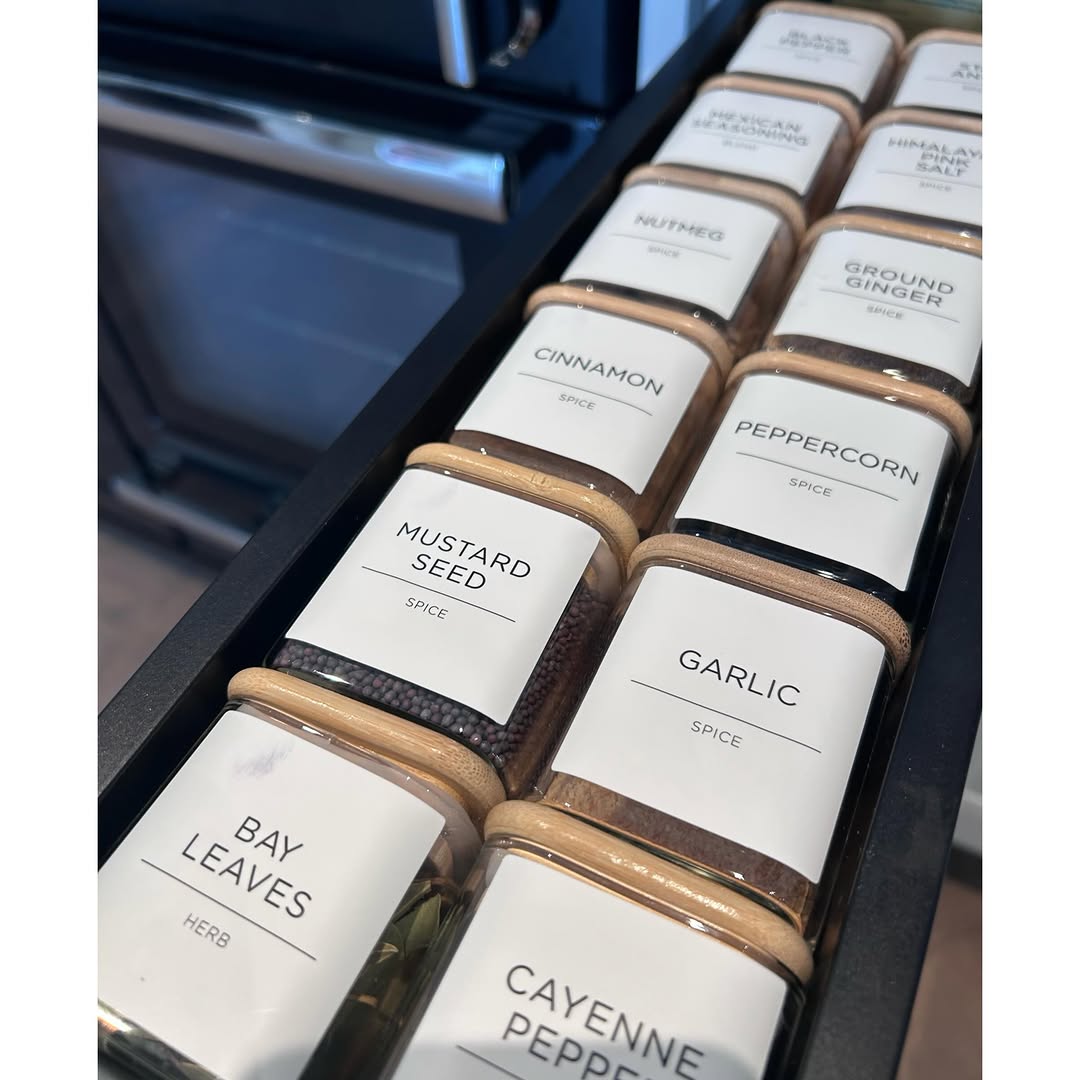
Grouped, labelled storage keeps cupboards looking calm — even after the school run.
We shared this kitchen cupboard hack on Instagram because it is one of those ideas clients return to again and again. It works in pantries, breakfast cupboards, and even fridge drawers with a little adaptation.
How to set it up
- Empty the cupboard completely — you cannot organise around clutter
- Group snacks by type (crisps, cereal bars, crackers, treats)
- Choose boxes that fit your shelf depth; square bases maximise space
- Label the front, not the shelf — containers move, shelves do not
- Restock by box, not by shoving packets in at random
For a deeper pantry transformation, see our kitchen organisation project in Chigwell — four hours of focused work that brought calm back to the heart of a busy family home. The full story is on Instagram too.
Give everything a home — and make that home obvious
When every item has a designated place, tidying stops being a decision-making marathon. Toys return to baskets. Shoes sit on a tray. School bags hang on hooks they can actually reach.
This applies to every room, but hallways and boot rooms repay the effort quickly. These are transition spaces — they absorb clutter from the outside world unless you give that clutter somewhere deliberate to land.
Room-by-room starting points
| Zone | What to install | Why it works |
|---|---|---|
| Hallway | Hooks, basket, small bench | Stops bags and coats migrating indoors |
| Kitchen | Drawer dividers, labelled boxes | Makes putting away faster than leaving out |
| Playroom | Open baskets by category | Children can tidy without reading complex labels |
| Bedrooms | Under-bed storage, clear zones | Keeps floors clear without constant nagging |
Our children’s spaces service focuses on exactly this — playrooms, bedrooms, and family zones designed for real routines, not showroom stillness.
Create drop zones that actually get used
A drop zone near the front door is one of the highest-impact changes in a family home. It does not need to be elaborate. A row of hooks, a shallow basket for keys and post, and a tray for shoes can transform how the house feels by 5pm.
The trick is placement: put it where people naturally pause, not where you wish they would pause. If everyone dumps bags on the kitchen island, your drop zone probably belongs there too — or you need an interim basket that gets emptied weekly.
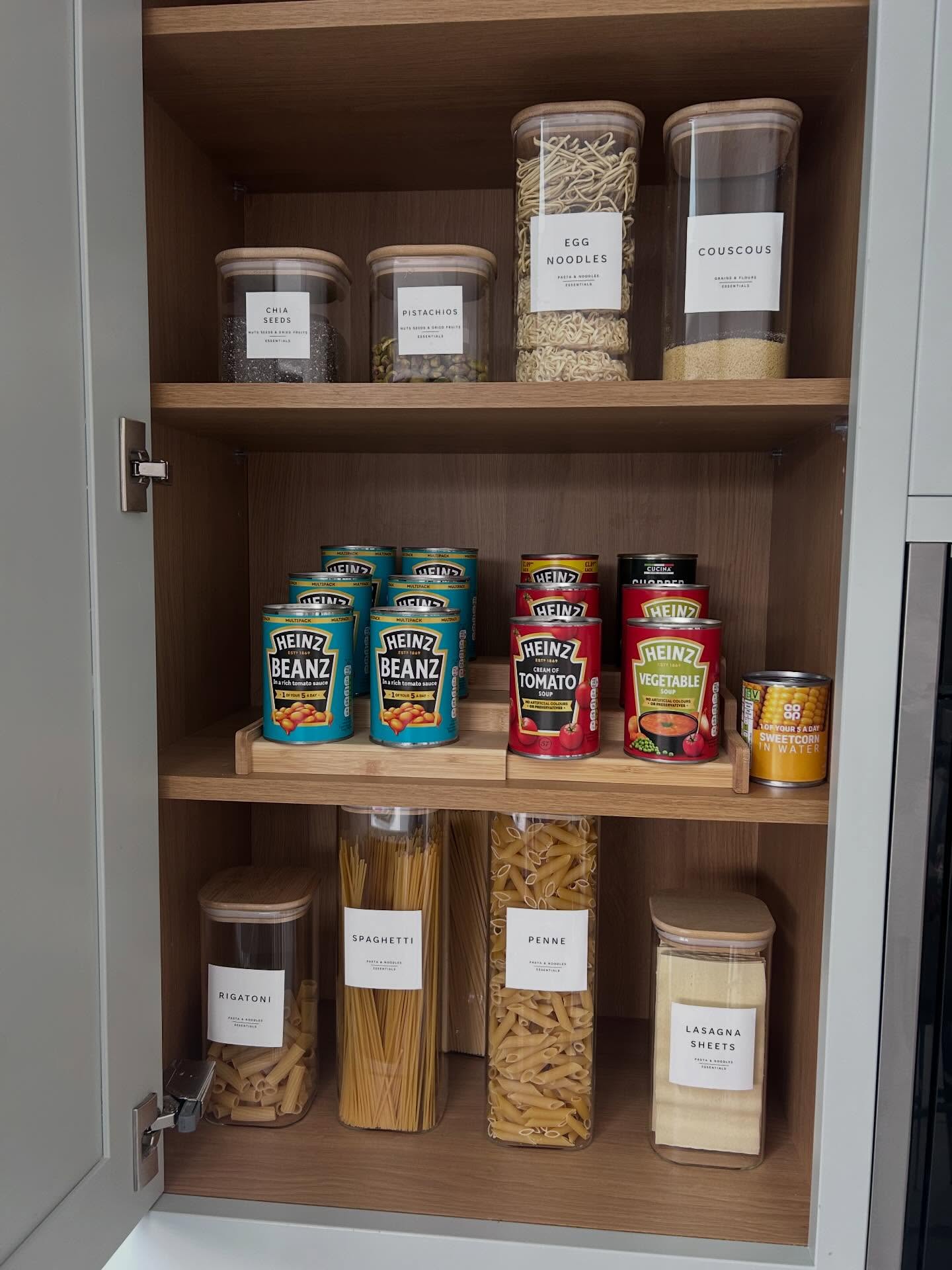
When everyday items have a home, surfaces stay clear without constant policing.
Routines that protect the system
Organisation without routine is just rearranged clutter. The families who maintain calm homes tend to share a few quiet habits:
- A five-minute evening reset — not a deep clean, just returning items to their homes
- One basket for “elsewhere” — anything found downstairs that belongs upstairs goes in the basket; the basket goes up once a day
- Weekly fridge and snack check — five minutes before the shop to remove empties and note what is running low
- Seasonal toy edit — birthday and Christmas are natural moments to pass things on
None of this requires perfection. It requires consistency — and systems forgiving enough to survive a chaotic week.
When professional support makes sense
There is no shame in calling for help. Many of our family clients book us for a focused session to establish the systems, then maintain them independently. Others prefer ongoing bespoke home help — weekly or fortnightly support that keeps the home running while they focus on work, travel, or simply being present with their children.
We work discreetly, efficiently, and entirely around your schedule. Charged by the hour, tailored to your home.
Bring calm to your family home
If one cupboard, one hallway, or one whole floor is stealing your energy, we would love to help. Get in touch to book a consultation — we will listen first, walk your space with you, and propose a plan that fits real family life.
Follow along for everyday organisation ideas on Instagram @morethanjustacleaner_.